
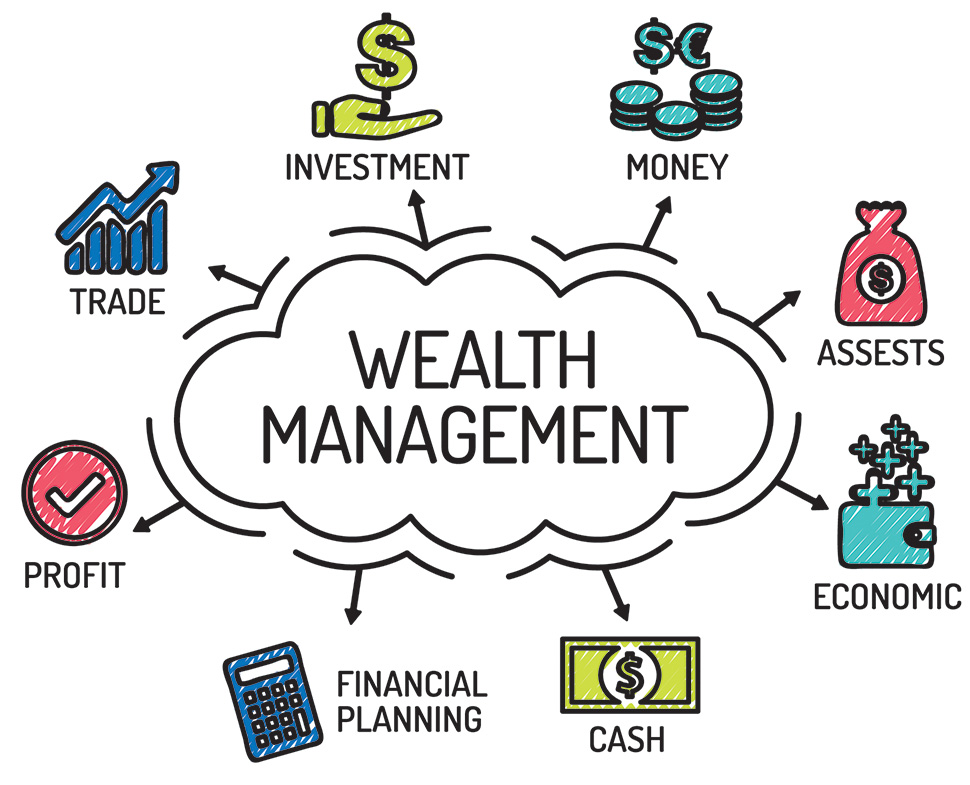
A long investment horizon rewards discipline, but it also demands adaptability as the market and regulatory environment evolve. In 2025, investors face shifting rate expectations, new tax considerations, and accelerating innovation in funds and tools. This guide outlines practical ways to build resilient portfolios, monitor risk, and stay opportunistic without abandoning prudent process. With the support of Platinum Financial Associates, you can align goals, time horizons, and cash flow needs with flexible strategies that stand up to uncertainty. The ideas here are tailored to the priorities central to Wealth Management For Individuals, from diversification and taxes to behavior and legacy planning.
Navigating the 2025 Investment Landscape with Smarter Diversification
Diversification is more than a checklist of asset classes; it’s a dynamic framework that balances growth, income, and resilience as conditions shift. In 2025, dispersion across regions, sectors, and factors is likely to remain elevated, which makes thoughtful allocation choices even more consequential. Investors should consider not only stocks and bonds, but also the roles of cash, inflation-linked securities, and real assets to moderate drawdowns. For Wealth Management For Individuals, building a portfolio that benefits from multiple independent return drivers helps reduce the chance that any single narrative dominates outcomes. The aim is to create a structure that thrives across different regimes rather than predicting one perfect future.
Core, Satellite, and Factor Blends
A practical way to implement smarter diversification is to use a core-satellite design that anchors stability while reserving room for conviction. The core can be broad, low-cost equity and bond exposures that provide market beta, liquidity, and transparency. Around that, satellites can include quality, value, or low-volatility factor funds, plus targeted themes backed by compelling cash flows or secular tailwinds. Risk budgeting is essential: position sizes should reflect volatility, correlation, and downside tolerance, not just enthusiasm. By pairing a strong core with deliberate satellites, you construct balance that supports steady compounding, a hallmark of robust Wealth Management For Individuals.
How Interest Rate Movements Affect Long-Term Portfolio Returns
Interest rates ripple through every major asset class, shaping total returns and the path markets take to get there. Rising rates can pressure long-duration bonds and high-valuation equities, even as they improve future income opportunities for savers. Falling rates often lift bond prices and can re-rate quality companies higher, particularly those with durable cash flows. Real estate and infrastructure can respond via cap rates, financing costs, and sensitivity to inflation expectations. Understanding these crosscurrents helps investors align duration, equity style tilts, and liquidity with their time horizons and spending needs.
Positioning Across Rate Cycles
Preparation matters more than prediction, so build rate-aware positioning that survives both hikes and cuts. A laddered bond approach spreads reinvestment risk and captures higher yields as rungs mature, while TIPS can cushion unexpected inflation. Within equities, tilting toward quality balance sheets and consistent free cash flow can temper valuation shocks, while maintaining exposure to value provides ballast when discount rates rise. Floating-rate instruments can play a role, but credit discipline and diversification remain crucial when spreads may widen. Blending these elements supports durable compounding and lowers the need to time the rate cycle.
Using Tax-Advantaged Accounts to Strengthen Wealth Growth
Taxes can quietly erode returns, so optimizing account types is one of the most reliable ways to enhance long-term outcomes. Retirement plans, IRAs, Roth accounts, and HSAs offer different combinations of deferral and exemption that, when coordinated, can meaningfully raise after-tax wealth. Contribution limits and income thresholds continue to adjust, and smart households revisit their election choices each year to stay current. Thoughtful conversion strategies, like staging Roth conversions over multiple years, may reduce lifetime taxes and improve flexibility in retirement. Platinum Financial Associates often begins with a cash flow map and a forward tax projection to find the most impactful moves.
Strategic Asset Location
Placing the right assets in the right accounts—known as asset location—multiplies the benefit of diversification. Tax-inefficient holdings, such as taxable bonds and high-turnover strategies, generally fit best in tax-deferred accounts where distributions are sheltered until withdrawal. Higher-growth equities and factor-tilted funds can be powerful in Roth accounts, allowing potential gains to compound tax-free over decades. In taxable accounts, favor tax-efficient equity ETFs and harvest losses judiciously to offset gains, while being mindful of wash-sale rules and basis tracking. Done well, coordinated asset location and withdrawal sequencing elevate Wealth Management For Individuals from a good plan to a great one.
Behavioral Finance Insights That Influence Investor Decision-Making
Human instincts protect us in everyday life but can mislead us in markets, where probabilities and patience rule. Loss aversion makes a temporary drawdown feel twice as painful as an equivalent gain feels rewarding, tempting investors to sell at inopportune times. Recency bias exaggerates the importance of the latest news cycle, as if the last six months will mirror the next six years. Overconfidence can lead to concentrated bets or frequent trading, inflating taxes and costs while limiting diversification. Recognizing these tendencies is the first step toward developing a steadier decision-making process.
Practical Guardrails for Better Choices
Build behavioral guardrails into your plan so discipline does not depend on mood or headlines. Start with a written Investment Policy Statement that clarifies goals, ranges for allocations, and rebalancing rules you agree to follow in advance. Automate contributions and rebalancing where possible, and schedule periodic reviews rather than reacting to every market blip. Use pre-commitment techniques—such as checklists, waiting periods, or decision journals—to slow impulsive trades and learn from past outcomes. The result is fewer emotionally driven errors and a smoother path to compounding, which is central to durable Wealth Management For Individuals.
The Role of Real Assets and ETFs in Balancing Risk
Inflation and supply-chain shifts have renewed interest in assets that respond to changes in prices and infrastructure spending. Real estate, commodities, and listed infrastructure can diversify equity and bond risk because they often react differently to growth and inflation surprises. Careful sizing matters; real assets can be volatile, but they may shine when traditional portfolios struggle. ETFs make these exposures accessible with lower costs, better transparency, and intraday liquidity compared with legacy vehicles. The key is to select funds that track well, manage roll or financing costs, and fit cleanly into your risk budget.
Integrating Real Assets Efficiently
To integrate real assets, start by defining the role—hedge inflation, diversify growth risk, or generate income—and size allocations accordingly. A measured approach might include a broad-basket commodity ETF for inflation sensitivity, REITs for real estate exposure, and an infrastructure fund for regulated cash flows. Evaluate ETF structure, underlying index methodology, and historical tracking difference, not just the headline expense ratio. Liquidity, spread behavior during stress, and tax treatment are also part of genuine due diligence. When these elements align, real assets can provide balanced ballast that complements equities and fixed income without overwhelming the portfolio.
How Regular Portfolio Rebalancing Protects Against Market Shocks
Markets rarely move in straight lines, and without intervention, portfolios drift toward the recent winners. That drift can quietly raise risk, leaving investors more exposed when volatility spikes. Regular rebalancing systematically sells appreciated assets and adds to laggards, a process that reinforces “buy low, sell high” without guesswork. It also provides a rhythm for risk management, aligning allocations with goals and drawdown limits. In turbulent periods, an established rebalancing plan helps replace panic with process.
Methods That Scale From Starter to Sophisticated
Choose a rebalancing method that matches complexity with benefit and sticks to it. Calendar-based approaches (quarterly or semiannual) are simple and effective for many households. Tolerance bands add precision by rebalancing only when an asset class exceeds preset thresholds, reducing unnecessary trades and costs. In taxable accounts, prioritize tax-aware techniques—use cash flows first, harvest losses to offset gains, and consider lot-specific sales to manage capital gains. Over time, a consistent method maintains your intended risk level and keeps compounding on track despite market noise.
Planning for Intergenerational Wealth Transfer in Modern Families
Family structures are more complex today, and laws continue to evolve, which makes clear planning essential. Beneficiary designations, powers of attorney, and healthcare directives should be updated after life events and reviewed annually. Tax rules around retirement account inheritances, charitable deductions, and state-specific estate thresholds can influence optimal strategies. Rather than postponing decisions, build a living plan that adjusts to regulatory shifts and reflects your values. For many households, partnering with Platinum Financial Associates ensures technical details and family dynamics both receive the attention they deserve.
Tools for Clarity and Control
Modern wealth transfer uses a toolkit that aligns flexibility with intent and compliance. Revocable living trusts streamline administration and privacy, while specialized trusts can address asset protection, special needs, or charitable goals. Thoughtful gifting—leveraging annual exclusions, education accounts, or donor-advised funds—can reduce future taxable estates and engage heirs in stewardship. Keep a “family manual” that outlines accounts, advisors, passwords, and a statement of purpose so successors understand not just what to do, but why. This blend of structure and communication anchors Wealth Management For Individuals in both technical excellence and human continuity, a combination Platinum Financial Associates champions for the long term.
