
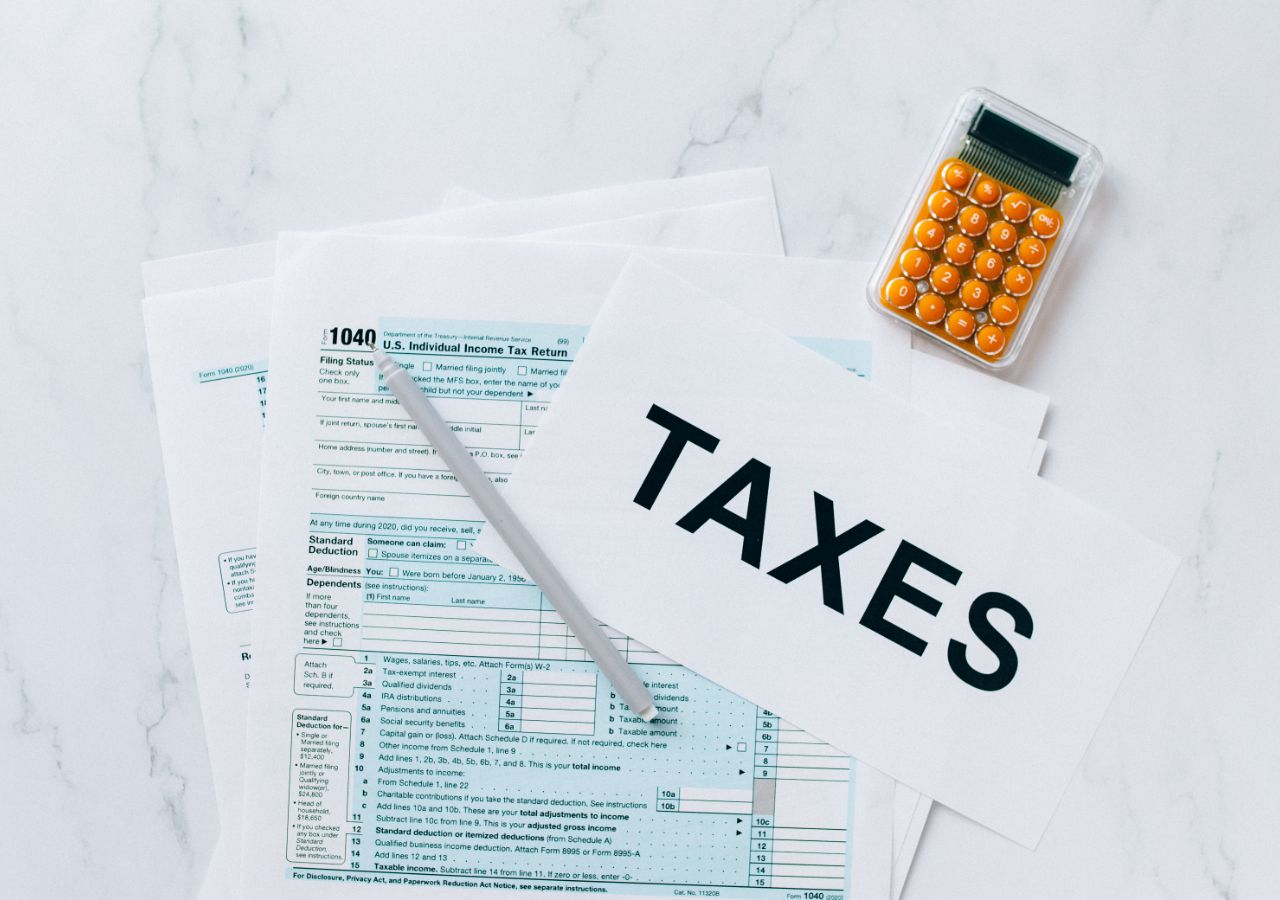
Navigating the ever-evolving landscape of tax laws and regulations can be daunting for individuals and businesses alike. Failing to stay compliant can result in hefty fines, penalties, and even legal trouble. That is why it is essential to hire an international tax accountant.
Here’s a comprehensive guide to help you stay compliant with the latest tax laws and regulations.
Understand the Basics
Before diving into the complexities of tax laws, it’s crucial to understand the basics. Taxes can be broadly categorized into federal, state, and local taxes. Federal taxes are administered by the Internal Revenue Service (IRS), while state and local taxes vary depending on the jurisdiction. A professional accountant will be able to help you understand the basics of taxes.
Stay Informed
Tax laws are subject to frequent changes, often influenced by economic conditions, political shifts, and new legislation. So, staying informed about these changes is essential for compliance.
Ways to Stay Updated:
- Subscribe to Tax Newsletters: Many accounting firms and financial news websites offer newsletters that provide updates on tax laws.
- Follow Relevant Government Websites: The IRS and state tax agencies frequently update their websites with the latest information.
- Join Professional Organizations: Groups such as the American Institute of CPAs (AICPA) offer resources and updates on tax laws.
- Attend Seminars and Webinars: These events provide in-depth insights into tax law changes and how they affect compliance.
Keep Accurate Records
Maintaining accurate and organized records is crucial for tax compliance. In fact, proper documentation ensures that you can substantiate claims and deductions if audited.
Best Practices for Record Keeping:
- Store Receipts and Invoices: Keep all receipts, invoices, and other documents related to income and expenses.
- Use Accounting Software: Tools like QuickBooks can help manage and organize financial records.
- Maintain Separate Accounts: For businesses, keep personal and business finances separate to avoid confusion and ensure accurate record-keeping.
- Regularly Review Records: Periodically review and reconcile your records to ensure accuracy.
Work with Professionals
Tax professionals, such as Certified Public Accountants (CPAs) and tax attorneys, possess the expertise to navigate complex tax laws and ensure compliance. They can also represent you in case of an audit.
Benefits of Working with Tax Professionals:
- Expertise and Knowledge: Professionals stay updated with the latest tax laws and can provide accurate advice.
- Audit Support: If you’re audited, having a professional on your side can be invaluable.
- Tax Planning: They can help with tax planning strategies to minimize your tax liability legally.
Understand Filing Deadlines
Missing tax filing deadlines can result in penalties and interest charges. It’s essential to know the key deadlines and plan accordingly.
Leverage Technology
Technology can simplify compliance by automating many aspects of tax management. From software that tracks expenses to platforms that file taxes electronically, leveraging technology can save time and reduce errors.
Useful Tools:
- Expense Tracking Apps: Apps like Expensify help manage and categorize expenses.
- Tax Preparation Software: Programs like TurboTax assist with preparing and filing taxes.
- E-Filing Platforms: These platforms streamline the process of filing returns electronically, ensuring accuracy and timeliness.
Stay Organized and Proactive
Staying organized and proactive is key to maintaining compliance. You should regularly review your financial situation, plan for upcoming tax obligations, and address issues promptly.
Tips for Staying Organized:
- Create a Tax Calendar: Mark important dates and deadlines to avoid missing them.
- Set Aside Funds for Taxes: Regularly set aside money to cover tax liabilities, especially if you’re self-employed.
- Review Tax Position Quarterly: Regularly assess your tax position to make adjustments and avoid surprises at year-end.
Conclusion
Staying compliant with the latest tax laws and regulations requires diligence, organization, and a proactive approach. By staying informed, keeping accurate records, working with professionals, understanding deadlines, leveraging technology, and maintaining good organization, you can navigate the complexities of tax compliance with confidence.
