
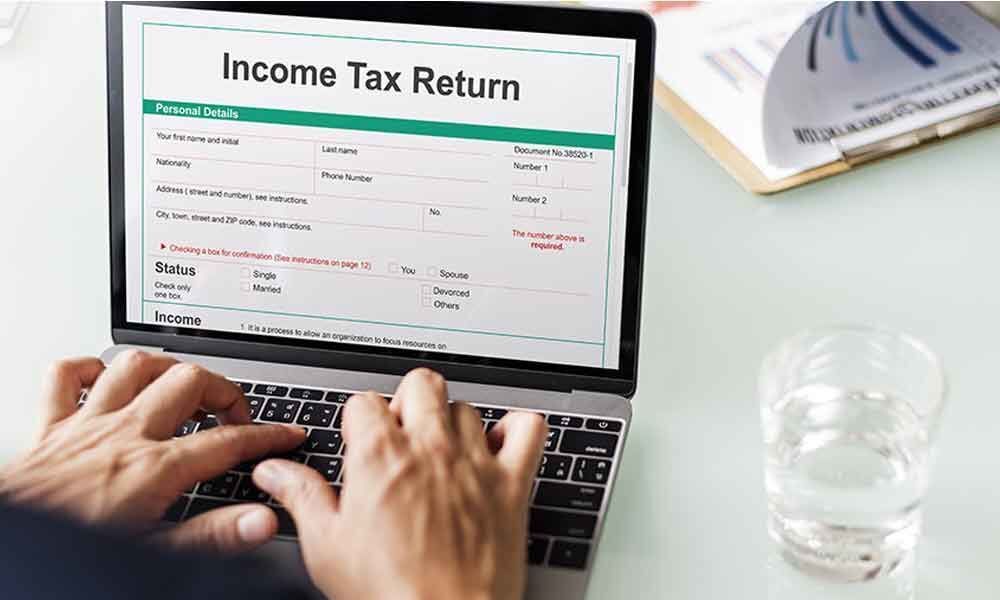
Tax season can feel intense. Accurate bookkeeping simplifies it. You track every expense and income. This process ensures that nothing gets overlooked. You avoid late fees and penalties. You also provide clear records to your accountant. This helps you make informed decisions. With organized records, you can easily spot trends in your spending. You may find areas to save. This strengthens your financial health. Engage with a financial advisor in Carlyle, IL to gain insights. They can help you navigate tax laws. They also ensure compliance and maximize deductions. Accurate records make your advisor’s work more efficient. This partnership saves time and reduces stress. The result is a smoother tax filing experience. You also gain confidence knowing your finances are in order. Bookkeeping is more than just record-keeping. It’s a tool for better financial management. Use it to ease tax preparation and improve your financial future.
Why Bookkeeping Matters
Bookkeeping is like keeping a journal of your finances. You make notes of transactions, categorizing them properly. This practice prevents chaos when tax season arrives. If you keep your records organized, you avoid the scramble to find missing receipts or invoices.
Bookkeeping also helps you stay within your budget. You know where your money goes. Projects and personal finances can align more smoothly. When you track every penny, wasteful spending becomes clear.
Essential Bookkeeping Practices
- Record every transaction regularly.
- Keep receipts and invoices organized.
- Reconcile bank statements monthly.
Implementing these habits ensures nothing slips through the cracks. You feel more in control, and it shows in your financial health.
Benefits You Gain
Good bookkeeping offers key benefits. You gain clarity in your finances. Expenses and income are clear. You also prepare for potential audits. If you’re audited, comprehensive records support your claims.
This practice reduces errors. Mistakes in tax filings cause stress and potential fines. With clean records, chances of errors drop significantly.
Comparison: Manual vs. Digital Bookkeeping
Technology advances make bookkeeping easier. Here’s a quick comparison:
| Manual Bookkeeping | Digital Bookkeeping |
|---|---|
| Time-consuming | Efficient |
| Prone to human error | Automated calculations |
| Physical storage needed | Cloud storage available |
Digital methods have clear advantages. They save time and reduce risk. Consider using software to streamline your bookkeeping.
How Bookkeeping Fits in Tax Preparation
Bookkeeping serves as the backbone of tax preparation. You need detailed records for deductions. Every charitable donation, business expense, or medical bill counts.
The IRS provides guidelines that highlight allowable deductions. Understanding these rules helps maximize your return. Visit the IRS website for more information on deductions.
Partnering With Professionals
Sometimes, you need help. Accountants offer expertise in tax laws and bookkeeping. They provide advice tailored to your situation. Their support ensures compliance and peace of mind.
A reliable financial advisor offers guidance, helping you navigate complex finances. They transform your records into actionable insights. You gain a strategic partner in your financial journey.
Conclusion
Bookkeeping is essential for tax preparation. You ensure compliance, reduce stress, and gain clarity. With organized records, your financial health improves. This process empowers you to make better financial decisions.
Regular bookkeeping transforms the tax experience. You save time, avoid penalties, and feel more confident. Embrace this practice and experience the benefits firsthand.
