
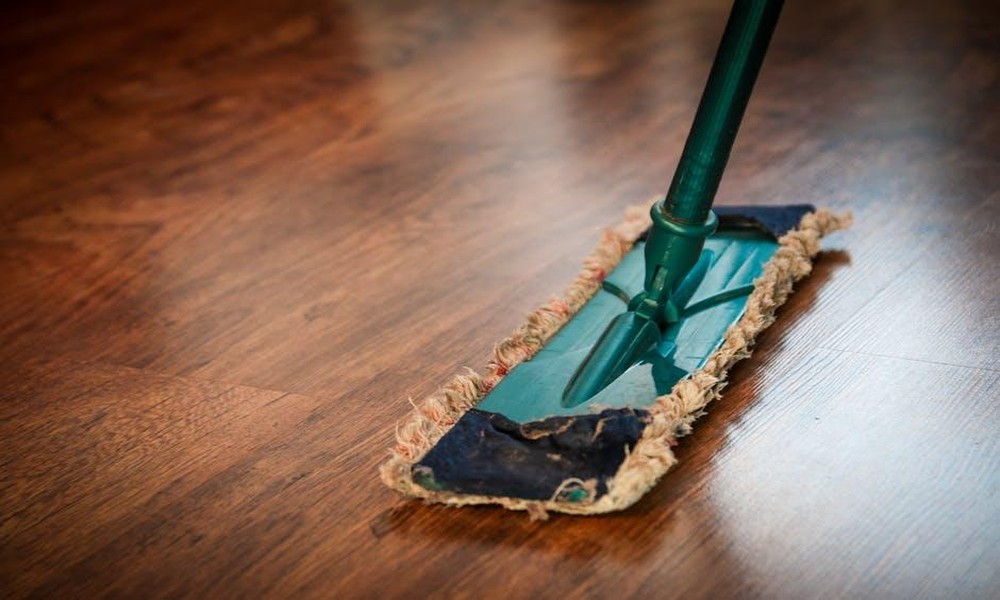
The Benefits of Natural Floor Cleaners for Health and Wealth
A clean home is a happy home, but have you considered the hidden costs of your cleaning habits? In April 2026, as we seek smarter ways to manage our lives, home maintenance often comes to the forefront. We know floors are a priority, with 80% of people cleaning them regularly. Yet, the products we use can impact our health, our environment, and our household budget.
This guide will show you the many advantages of choosing natural floor cleaners. We will explore how they benefit your health and save you money. You will learn about effective DIY recipes and safe ingredients. We’ll also cover solutions for different floor types and top store-bought options.
Every decision we make about home upkeep, including floor maintenance, plays a role in our overall financial well-being. Understanding these choices is key to sound Financial Strategies. Join us as we discover how natural floor care can lead to a healthier home and a stronger budget.
Choosing natural floor cleaners goes beyond just having a sparkling home; it’s a conscious decision that significantly impacts our health and financial stability. In April 2026, with increasing awareness of environmental health, many of us are re-evaluating the conventional cleaning products that have long been staples in our households.
One of the most compelling reasons to switch to natural alternatives is the profound impact on our health. Conventional store-bought cleaners often contain a cocktail of harsh chemicals. Ingredients like ethoxylated alcohol, for instance, can be contaminated with carcinogens such as ethylene oxide and 1,4 dioxane, posing serious risks to human health. Artificial fragrances, often listed simply as “fragrance,” can mask thousands of undisclosed chemicals linked to allergies, chemical sensitivities, and even reproductive issues. These volatile organic compounds (VOCs) contribute to indoor air pollution, potentially leading to respiratory problems, headaches, and other irritations for both adults and children.
For households with young children and pets, the benefits are even more pronounced. Imagine a toddler crawling across a freshly cleaned floor, or a pet licking up a spill. With conventional cleaners, they are directly exposed to these potentially toxic residues. Natural floor cleaners, made from plant-derived ingredients, offer peace of mind, knowing that the surfaces our loved ones interact with are genuinely safe. This commitment to non-toxic living protects vulnerable family members from unnecessary chemical exposure.

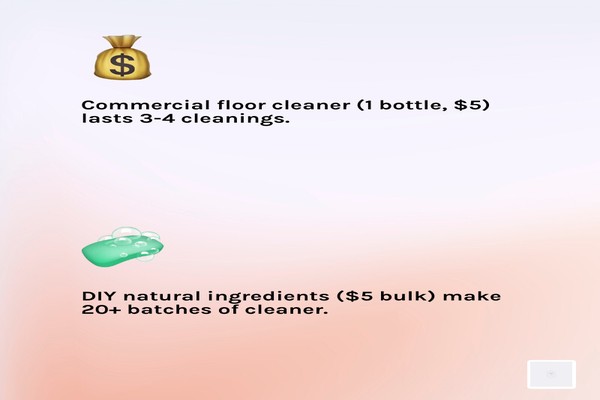
Beyond health, the financial advantages of natural cleaning are substantial. While the initial investment in a few key natural ingredients might seem like an outlay, the long-term savings are remarkable. Many DIY natural floor cleaner recipes utilize common, inexpensive household items like vinegar, baking soda, and castile soap, which can be purchased in bulk for a fraction of the cost of specialized commercial cleaners.
Consider the cost-benefit analysis of DIY versus commercial cleaners. A single bottle of a conventional floor cleaner might cost several dollars and last only a few cleaning sessions. In contrast, a large container of white vinegar or castile soap, costing roughly the same, can provide ingredients for dozens of batches of homemade cleaner. This translates into significant savings over time, freeing up funds that can be redirected towards other important aspects of our household budgeting. This infographic illustrates the potential financial benefits:
Furthermore, reducing exposure to harsh chemicals can indirectly lead to financial benefits by potentially decreasing healthcare costs associated with allergies, respiratory issues, or skin irritations caused by conventional products. Investing in our health through safer cleaning practices is, in essence, a wise financial strategy for the future. For those interested in delving deeper into crafting their own cleaning solutions, a comprehensive guide on How to Make DIY Floor Cleaner for a Healthier Home offers excellent starting points and recipes.
DIY Recipes: Financial Strategies for Home Maintenance
Embracing DIY natural floor cleaners is not just about environmental consciousness; it’s a savvy move in personal Financial Strategies. By making our own cleaning solutions, we gain control over ingredients, reduce waste, and significantly cut down on recurring expenses. In April 2026, as we navigate economic shifts, these cost-effective approaches to home maintenance become increasingly valuable.
The beauty of DIY recipes lies in their simplicity and the use of readily available ingredients. Many effective natural cleaners can be whipped up using items already in our pantry or easily found at any grocery store.
Here’s a list of essential DIY pantry staples that form the backbone of most natural cleaning recipes:
- White Vinegar: A powerful natural disinfectant, degreaser, and deodorizer. Its acidity helps break down grime and kill bacteria.
- Liquid Castile Soap: A versatile, concentrated vegetable-oil-based soap that effectively cleans without harsh chemicals.
- Baking Soda: An excellent abrasive for scrubbing, a deodorizer, and a mild alkali that can tackle grease.
- Isopropyl Alcohol (Rubbing Alcohol): A disinfectant that evaporates quickly, leaving surfaces streak-free.
- Essential Oils: Provide natural fragrance and can offer additional antimicrobial properties.
- Distilled Water: Prevents mineral buildup and extends the shelf life of homemade solutions.
These ingredients, when combined correctly, can create powerful and safe cleaning agents for various floor types. For a general, all-purpose natural floor cleaner that’s both safe and easy to make, Homemade Natural Floor Cleaner (Safe and Easy) – A Quaint Life Natural Home provides excellent guidance. Another popular recipe for a versatile homemade cleaner can be found at Natural Homemade Floor Cleaner – Nature’s Nurture, offering a blend that tackles dirt and grime effectively.
Budget-Friendly Financial Strategies for Hardwood Care
Hardwood floors add timeless elegance to any home, but their maintenance can sometimes feel daunting. Commercial hardwood cleaners can be expensive, and some contain chemicals that might dull the finish over time. Adopting budget-friendly financial strategies for their care ensures their longevity and beauty without breaking the bank.
A highly effective and economical DIY hardwood floor cleaner often includes distilled water, white vinegar, and a touch of olive oil. While vinegar’s acidity is a concern for some, when properly diluted, it becomes a safe and powerful cleaning agent. Many homeowners, including those who have used such solutions for years, report no damage to their urethane finished floors. The olive oil acts as a natural wood conditioner, restoring shine and helping to repel dust without leaving a greasy residue. This dual action cleans and polishes in one step, a smart time and money-saving approach.
For detailed recipes and tips on creating your own hardwood floor cleaner, “The Best Natural Homemade Hardwood Floor Cleaner” from At Home On The Prairie offers a popular formulation, including options for a concentrate. Similarly, How to Make Your Own Homemade Hardwood Floor Cleaner provides another excellent recipe, specifically cautioning against abrasive ingredients and excess moisture to preserve the wood’s finish. Remember to always test any new cleaner in an inconspicuous spot first.
Long-Term Financial Strategies for Floor Longevity
Different floor types require tailored cleaning approaches to ensure their longevity and maintain their appearance. Implementing specific long-term financial strategies for each floor material protects our home investment.
For laminate and vinyl floors, which are sensitive to excessive moisture, a pH-neutral solution is ideal. While some vinegar-based recipes can work, it’s crucial to ensure proper dilution to avoid damaging the finish. A common recipe often involves distilled water, a small amount of white vinegar (less than for hardwood), a few drops of dish soap, and essential oils. The key is to use a barely damp mop and dry the floor quickly to prevent warping or damage to the protective layer. The “DIY Hardwood Floor Cleaner: Safe & Effective Homemade Recipe” from Clean Mama, while focused on hardwood, also offers insights into proper dilution that can be adapted for laminate.
Tile floors, being more durable, can generally handle stronger natural solutions. A mixture of white vinegar and water is excellent for cutting through grease and grime. For tough grout cleaning, a paste made from baking soda and hydrogen peroxide can work wonders, lifting embedded dirt without harsh chemicals.
Carpeted areas, though not hard surfaces, also benefit from natural cleaning. For spills, a simple mixture of white vinegar and water can often lift stains. For grease, cornstarch can absorb the oil before vacuuming. For pet odors, a sprinkle of baking soda left to sit before vacuuming can neutralize smells effectively. “Best Natural Homemade Floor Cleaner” from Nature’s Nurture offers a versatile recipe that can be adapted for various cleaning needs, highlighting the power of natural ingredients.
Regardless of the floor type, moisture control is paramount. Excessive water can lead to warping, swelling, or even mold growth, especially in April 2026’s varied climates. Always use a well-wrung mop or cloth, and ensure floors dry completely to protect their integrity and extend their lifespan.
Ingredient Safety: Essential Oils, Vinegar, and Common Mistakes
When venturing into natural floor cleaners, understanding the properties and safe usage of key ingredients like essential oils and vinegar is crucial. While generally safe and effective, misapplication or misunderstanding can lead to unintended consequences.
Essential Oils: These concentrated plant extracts offer more than just pleasant aromas; many possess natural antimicrobial, antibacterial, and antifungal properties. Popular choices for cleaning include tea tree oil (known for its powerful disinfectant qualities), lemon oil (a natural degreaser and brightener), and lavender oil (a calming scent with some antibacterial benefits).
When adding essential oils to natural floor cleaners, a few drops are usually sufficient (typically 10-20 drops per gallon of solution). It’s important to use pure, high-quality essential oils and to consider their safety around pets and children. Some oils can be toxic if ingested by animals, so research specific oils if you have furry friends. Always add essential oils to a carrier like castile soap or alcohol before mixing with water, as they are not water-soluble and can separate, potentially leaving an oily residue. For more on incorporating essential oils into your cleaning routine, the “Natural Floor Cleaners: 4 DIY Recipes” from AHS – American Home Shield provides valuable insights.
Vinegar: White vinegar is a natural cleaning powerhouse due to its acetic acid content, which allows it to cut through grease, dissolve mineral deposits, and kill many types of bacteria and mold. However, its acidity also means it’s not suitable for all surfaces.
Common Mistakes to Avoid with Vinegar:
- Marble and Natural Stone: Never use vinegar on marble, granite, travertine, or other natural stone surfaces. The acid can etch the stone, dulling its finish and causing permanent damage. For these delicate surfaces, a pH-neutral cleaner or a baking soda and soap solution is a safer alternative.
- Unsealed Grout: While vinegar is great for tile, it can sometimes degrade unsealed grout over time. If your grout isn’t sealed, use with caution and rinse thoroughly.
- Excessive Use on Hardwood: While diluted vinegar is generally safe for sealed hardwood floors, using it too frequently or in too high a concentration can potentially dull the finish. Always ensure proper dilution ratios and wipe floors dry to prevent moisture damage.
Dilution Ratios and Precautions: For most floor cleaning, a 1:1 ratio of water to vinegar is often too strong. A common recommendation for sealed hardwood and laminate is 1/2 cup of white vinegar per gallon of warm water. For tougher jobs on tile, a slightly stronger solution might be used, but always test in an inconspicuous area first.
Scent Personalization: If the smell of vinegar is off-putting, essential oils can effectively mask it. Lemon, orange, peppermint, or eucalyptus are popular choices that leave a fresh, clean aroma.
By understanding these nuances, we can harness the full power of natural ingredients while avoiding common pitfalls, ensuring our floors are clean, safe, and well-maintained.
Professional Solutions: Top Store-Bought Cleaners and Tools
While DIY solutions are incredibly effective and budget-friendly, sometimes convenience calls for a store-bought option. Fortunately, in April 2026, the market offers an impressive array of natural floor cleaners that uphold safety and environmental standards. When selecting a product, we look for transparency in ingredients, certifications, and strong customer reviews.
One highly-rated option we’ve observed is naturally It’s Clean Floor Cleaner. This product consistently earns high marks, boasting 4.4 out of 5 stars from over 2,700 reviews. Its appeal lies in its use of plant-based enzymes, which effectively break down dirt and grime without harsh chemicals. It’s pH neutral, biodegradable, and marketed as safe for kids and pets, making it a popular choice for health-conscious households. It also eliminates odors and is rinse-free, simplifying the cleaning process.
Another excellent choice is Koala Eco’s Mandarin & Peppermint Floor Cleaner. This brand emphasizes the power of natural essential oils not only for cleaning but also for their aromatherapy benefits. The combination of mandarin and peppermint is designed to cut through grime while leaving a refreshing, uplifting scent. Koala Eco also stands out for its strong environmental commitment, using 100% post-consumer recycled bottles and contributing to “1% For The Planet.”
We also note products like Uncle Todd’s Ultra Concentrated Floor Cleaner, which, with 4.6 out of 5 stars from 730 reviews, indicates strong customer satisfaction. While specific natural claims need to be verified, its high rating suggests effectiveness. For a broader overview of recommended eco-friendly floor cleaners, “The Best, Most Effective Eco Friendly Floor Cleaners” from Safe Household Cleaning offers a curated list based on safety and efficacy.
Tools for Natural Floor Cleaning:
The right tools can make all the difference in maximizing the effectiveness of natural cleaners and protecting our floors.
- Microfiber Mops and Cloths: These are indispensable. Microfiber’s unique structure effectively traps dirt, dust, and grime, reducing the need for excessive cleaning solutions. They are excellent for both wet and dry cleaning and can be laundered and reused countless times, reducing waste.
- Spray Mops: These mops have a built-in reservoir for cleaning solution, allowing for precise application and preventing over-wetting of floors, which is crucial for laminate and hardwood.
- Buckets with Wringers: For traditional mopping, a two-bucket system (one for cleaning solution, one for rinse water) helps keep the cleaning water cleaner for longer. A good wringer ensures the mop is damp, not soaking wet.
Steam Mop Precautions: While steam mops offer deep cleaning with just water, they require caution with natural solutions. If using a DIY solution in a steam mop, always omit essential oils, as they are not water-soluble and can clog the machine, leading to breakdowns. Pure water is generally the safest option for steam mops. Always check the manufacturer’s guidelines for your specific floor type, as some floors (like unsealed hardwood or certain laminates) are not suitable for steam cleaning.
By combining well-researched store-bought natural cleaners with appropriate tools and techniques, we can achieve a clean and healthy home environment with minimal effort and maximum peace of mind.
Frequently Asked Questions about Natural Floor Cleaning
Navigating natural floor cleaning often brings up specific questions regarding routine, ingredient safety, and tackling common household challenges. Here, we address some of the most frequently asked questions to help you maintain your floors naturally and effectively.
How often should I clean my floors with natural solutions?
The frequency of cleaning depends largely on foot traffic, household members (pets, children), and personal preferences. As a general guideline, we recommend the following routine:
- Daily/Every Other Day: Sweep or vacuum high-traffic areas (kitchen, entryways) to remove loose dirt and debris. This prevents grit from scratching floors and reduces the need for frequent deep cleaning.
- Weekly: Mop or damp-wipe all hard floors with your chosen natural solution. This addresses accumulated dirt and keeps surfaces fresh. For carpeted areas, a thorough vacuuming is usually sufficient.
- Bi-weekly/Monthly: Deep clean high-traffic areas. This might involve using a slightly stronger solution for tough spots or focusing on grout lines. For carpets, consider natural spot treatments or a full natural carpet shampoo every few months, depending on use.
Consistency is key. Regular, lighter cleaning sessions with natural solutions are often more effective and less strenuous than infrequent, intensive cleaning.
Can I use vinegar on all floor types safely?
Vinegar is a versatile and powerful natural cleaner, but it’s crucial to understand its limitations due to its acidic nature.
- Safe for: Sealed hardwood (when properly diluted), laminate (when properly diluted and used sparingly), tile, vinyl, linoleum. For these surfaces, a dilute vinegar solution effectively cleans, disinfects, and leaves a streak-free shine.
- Not safe for: Natural stone floors such as marble, granite, and travertine. The acid in vinegar can etch these porous surfaces, causing permanent dullness and damage. For natural stone, opt for pH-neutral cleaners or specialized stone cleaning solutions. Unsealed grout can also be sensitive to prolonged vinegar exposure, so use with caution and rinse well.
When using vinegar on any floor type, always start with a highly diluted solution (e.g., 1/2 cup per gallon of water) and test in an inconspicuous area first. Ensure the mop is barely damp, and wipe floors dry immediately to prevent moisture damage, especially on wood and laminate.
How do I handle tough pet odors and grout stains naturally?
Tough stains and persistent odors can be frustrating, but natural methods offer effective solutions without resorting to harsh chemicals.
Remember to always address spills and stains as quickly as possible to prevent them from setting, and always test any new cleaning method in an inconspicuous area first.
Conclusion
As we continue through April 2026, the shift towards sustainable living and mindful consumption is more evident than ever. Our exploration of natural floor cleaners underscores a powerful truth: the choices we make for our homes directly impact our health, our environment, and our financial well-being. By opting for natural solutions, whether homemade or carefully selected store-bought options, we invest in a healthier living space, free from the harsh chemicals that can compromise our respiratory systems and overall vitality.
Beyond the immediate health benefits, embracing natural floor care is a smart component of a comprehensive approach to Financial Strategies. The cost savings derived from DIY recipes, coupled with the extended lifespan of well-maintained floors, contribute significantly to household budgeting. This proactive approach not only preserves our home as a valuable asset but also aligns with a lifestyle that prioritizes long-term sustainability over short-term convenience.
We encourage you to integrate these natural cleaning practices into your routine. Start with a simple DIY recipe, experiment with essential oil blends, and discover the joy of a truly clean home achieved with safe, effective ingredients. This isn’t just about cleaning floors; it’s about cultivating a healthier, wealthier, and more harmonious home environment for ourselves and future generations.
